Megan

Megan Hendry

A nurse, a mother of three, and the person everyone else calls when things go wrong.

Megan's recovery after a life saving liver transplant

Megan has had her transplant and is home. She no longer needs a living liver donor, but others still do.

How she is doing
Megan Hendry

How she is doing

Megan came home in September 2026. Recovery from a transplant is expected to take about a year.

Her story

In 2006, Megan's husband Jay was diagnosed with cancer while she was pregnant with their daughter. Their daughter was born the following January, and together they spent years working through surgeries, treatments, and recoveries.

In 2014, Jay suffered a severe traumatic brain injury. Megan cared for him through rehabilitation, and during that time his cancer returned. He died in 2016.

Since then she has been both parents to her three children. She has spent sixteen years as a nurse, working with people in addiction and mental health recovery, which is to say she has spent her career sitting with people on their worst days.
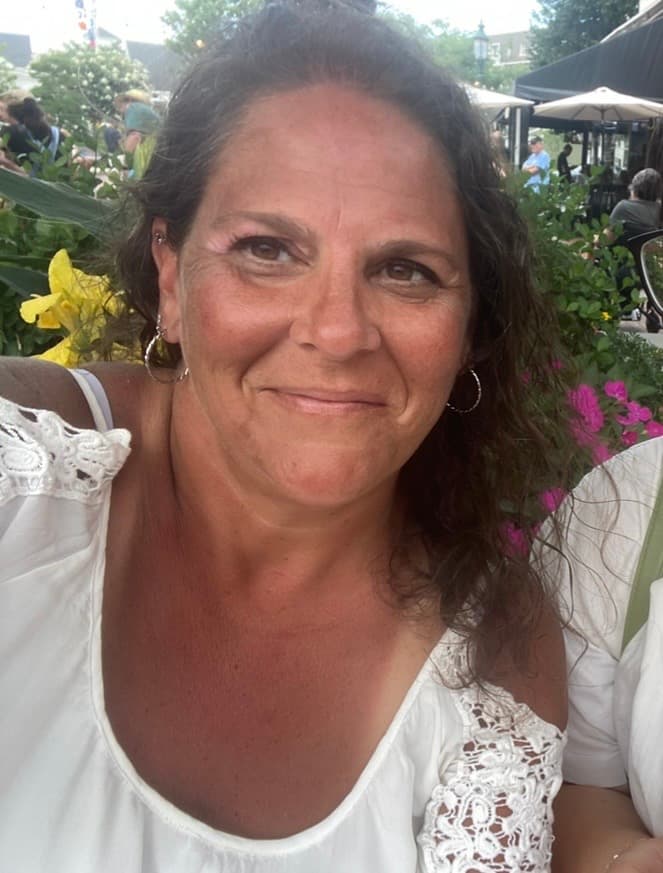
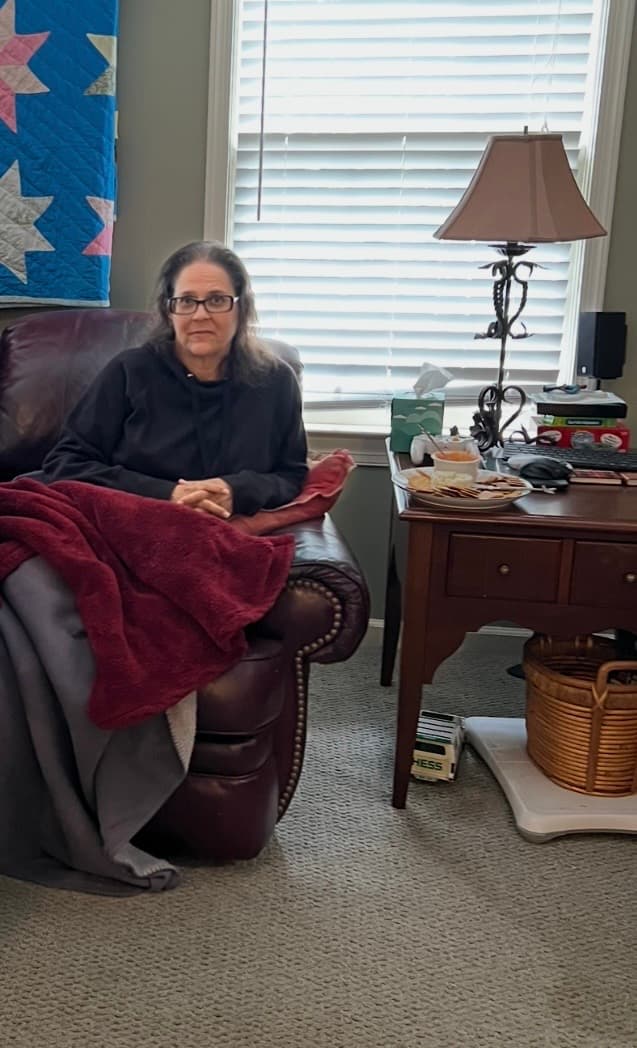
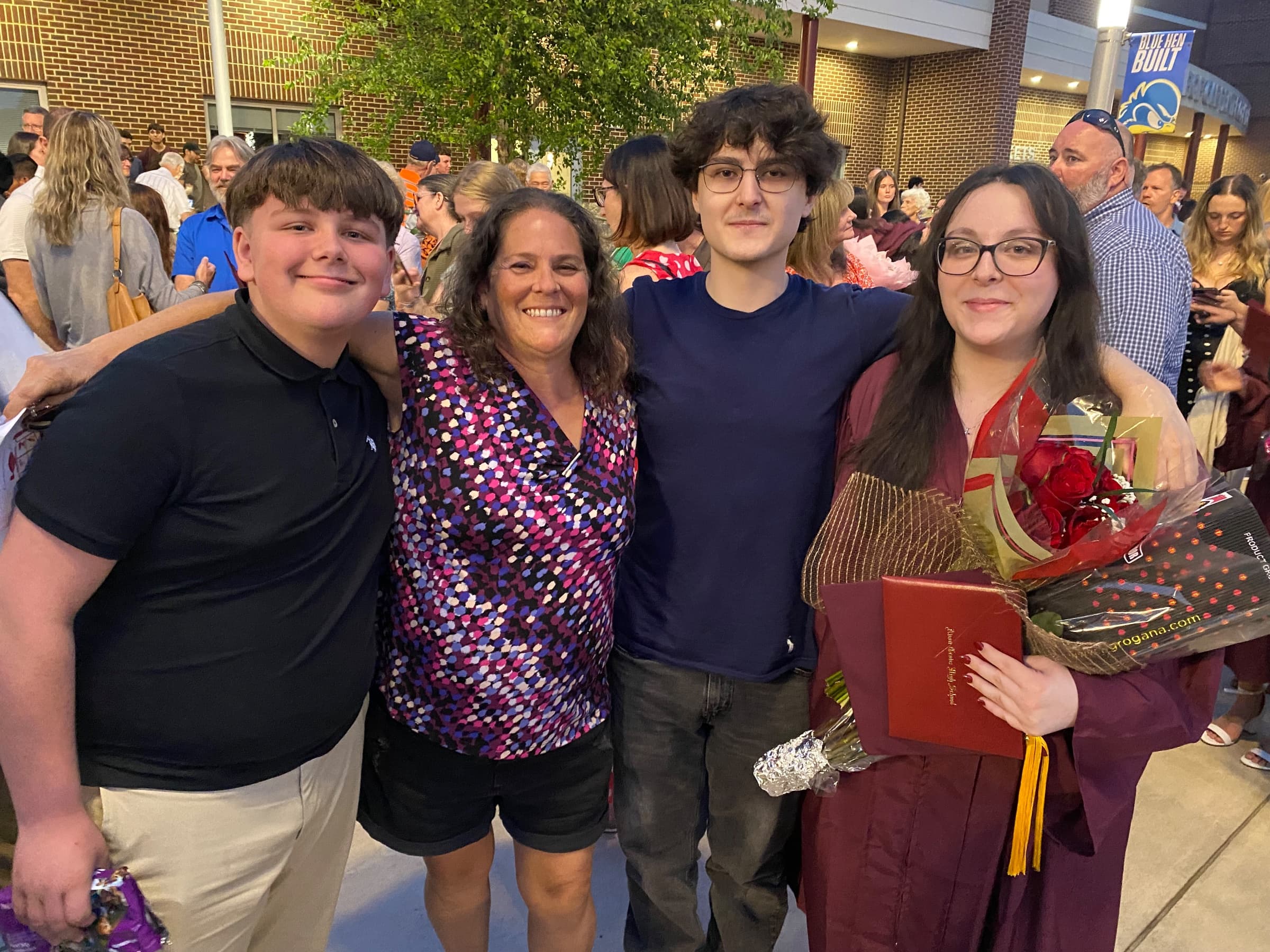
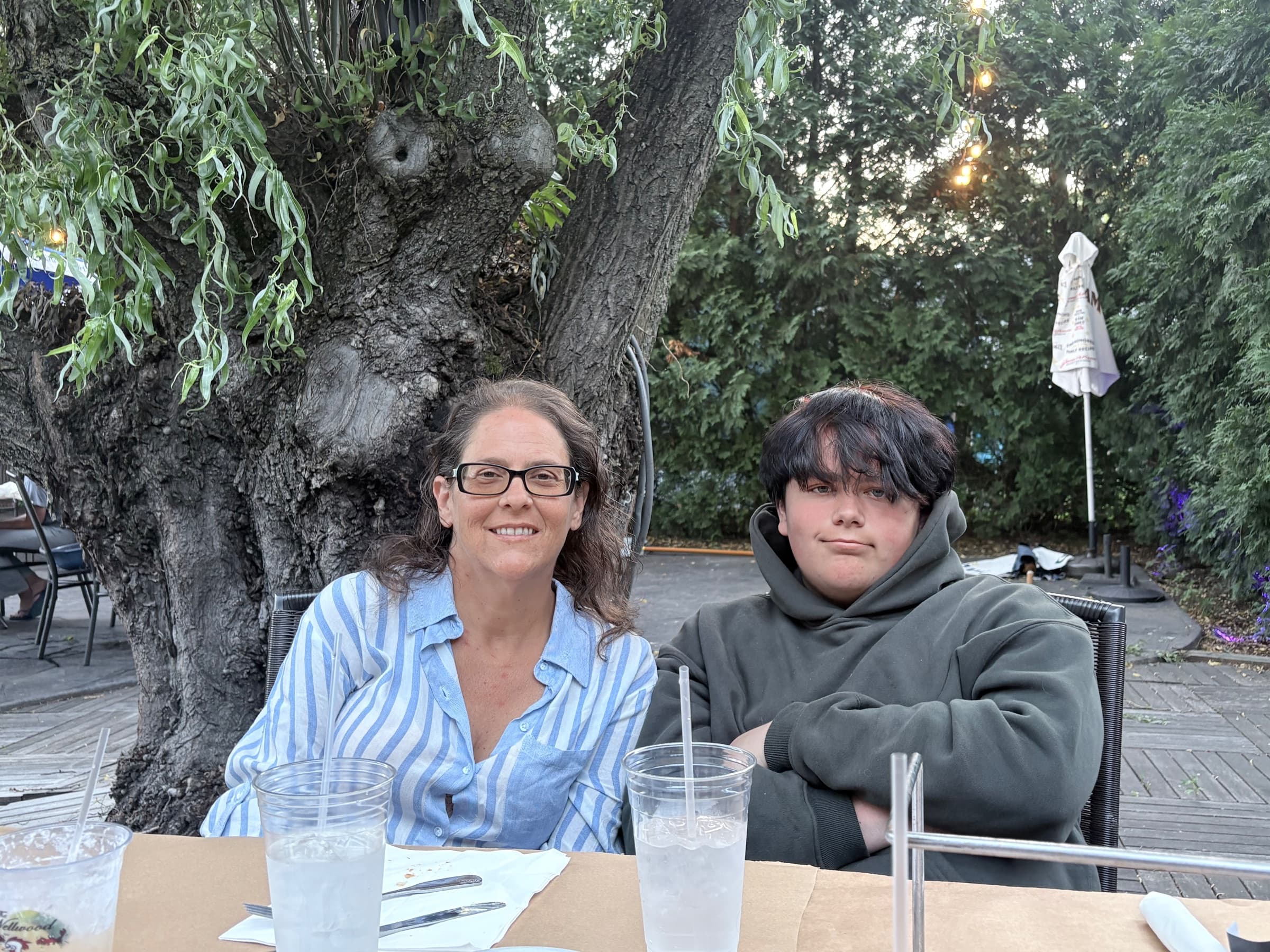
Megan before her diagnosis
Before her diagnosis
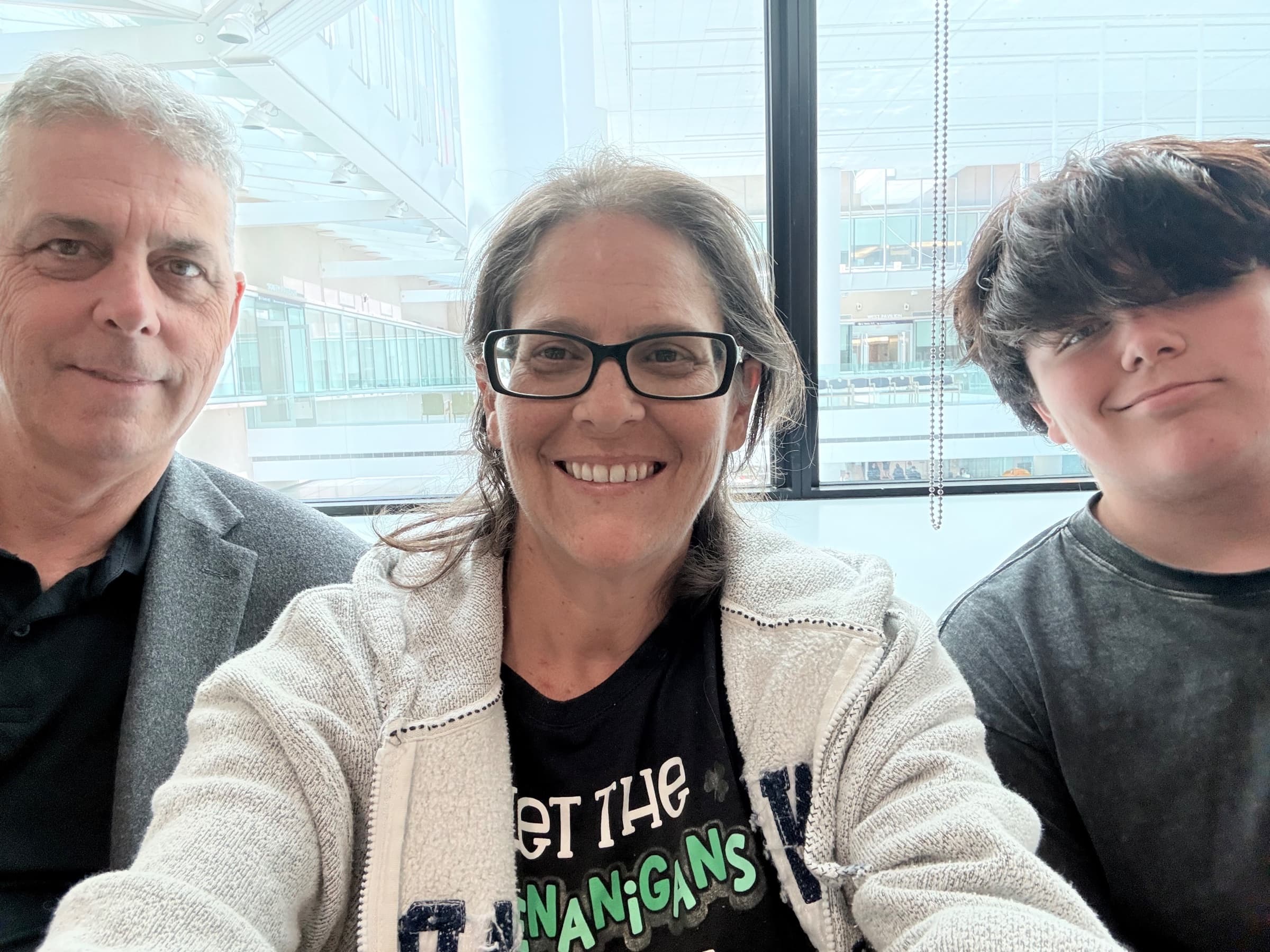
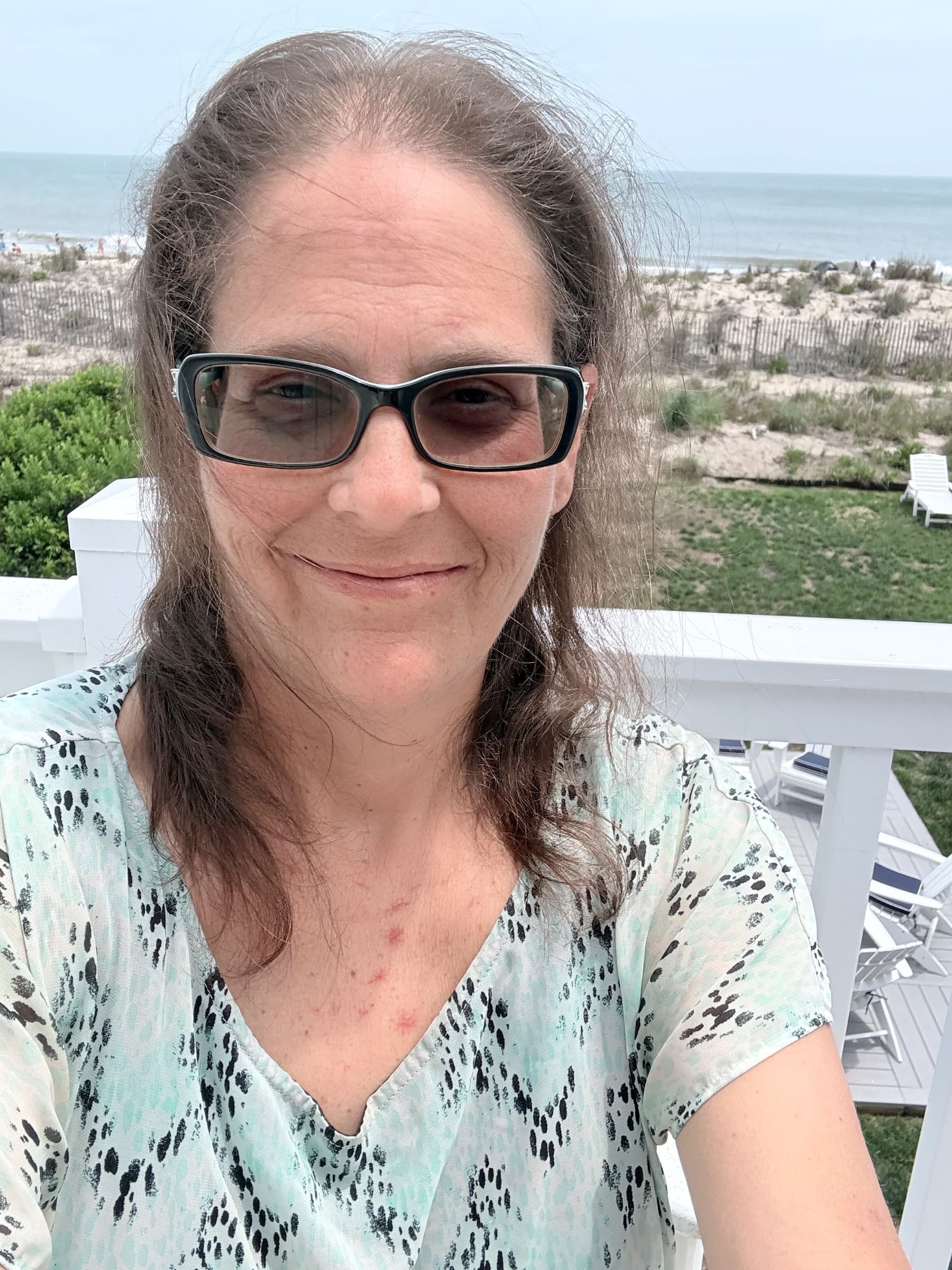
Megan this year
This year

Modern day saint

February 2026

Her diagnosis

In February 2026, at forty-three years old, Megan was diagnosed with MASLD cirrhosis. Her liver disease moved unusually fast. Imaging showed it developed in under seven months.

Her doctors at Penn Medicine told her she needed a living liver donor as soon as possible.

Her children

In August 2026, Megan's daughter was diagnosed with thyroid cancer. She has surgery ahead of her.

Megan's youngest son is fourteen and still at home. She is his only parent, and she has raised him on her own throughout all of this.

Instead of Megan caring for her daughter the way she wants to, the two of them are patients at the same time.

In other people's words

Some of what people wrote when they heard. Their words, not ours.

My daughter, Megan, is 43 years old. She's a nurse, a devoted mother of three wonderful children, and one of the most caring people I've ever known. She has spent her career helping others through some of the most difficult times in their lives.
PatrickMegan's father
I have known Megan for a long time! I worked with her, but many of you might remember when I asked for prayers for her son and husband who were in a terrible accident. Her husband received a TBI and she became his caregiver. I used to pray and wonder how she did it. Now I know, you just do it! Unfortunately, Jay passed when his cancer came back so she has been a single mom to 3 kids. She has a daughter who also just found out she has cancer and will need to have surgery very soon, and a son who is still in school. She is a nurse. She helped those with addiction. She is always helping others.
Natasha YoderWorked with Megan
This woman is unbelievable... I worked with her and she is definitely a hard working woman. This just seems impossible.
Karen MerrymanWorked with Megan
If you don't know Megan, chances are you may know her dad. Patrick is a dear friend and colleague of mine. If you know Patrick, you know he doesn't ask for help but is always there for his family, friends, and colleagues. Please pray for their family.
Dedree Dickens Erlichman
Read 4 more
Megan and I were once inseparable! Her house was always my second home, her kiddos were always a big part of me too. Megan and her family have gone through a lot over the years.
Melanie Quill
Megan holds a very special place in my heart. She befriended me when I was new, my senior year of high school. She, and her family, were always so welcoming, warm, and kind. Her dad even gave me my first real, big girl job at his real estate office!
Sara Barrett Umeroglu
This girl is the definition of strength. She's an inspiration after everything she's been through and going through. I cry learning she's going through this now.
Jen Paxson
I remember a kindhearted nurse with two sweet, quiet well behaved kids and that same nurse donated a standing table that is worth a lot more than $1000. Something that kind is remembered forever.
Anonymous

What her days looked like

The parts of this that did not show up in a diagnosis.

  • Getting to appointments

    Her liver disease meant she could not drive. Most of her appointments were about an hour from home, so every one of them depended on somebody else being free to drive her.

  • Groceries and prescriptions

    Delivery was not a convenience here. It was what made an ordinary week possible when leaving the house was difficult.

  • Bills, with no income

    She was unable to work. Transportation, deliveries, medical costs and ordinary living expenses all arrived at once, and none of them paused.

Penn Medicine Living Donor Liver Transplant Program

Becoming a living liver donor

This is not a request for Megan. She has had her transplant and no longer needs a donor. Other people are still waiting for one, which is why this is still here.

If you are thinking about donating part of your liver to someone else, this is a summary of what Penn Medicine publishes about their process, so you know what it would actually involve before you speak to anyone.

Penn's own page is the authority and it is linked below, along with national organisations that answer the questions this page does not. Nothing here replaces a conversation with a transplant team.

Many people who offer are not able to donate, for reasons that have nothing to do with willingness. The blood type has to match, and the evaluation is thorough. Being ruled out is common and it is not a failing.

Everyone who registers works with a Living Donor Advocate. Their job is to support you, answer your questions, and represent your interests throughout the process, separately from the recipient's team.

Step by step

  1. Referral

    You complete a registration form and get an email with a link to an online medical screening questionnaire. Once it is filled in, Penn's team contacts you within a week.

  2. Evaluation

    You meet the donor team for medical tests and exams, and talk through your emotional health and your reasons for wanting to donate. You also meet your independent donor advocate. Penn says this stage can take a few months, because the point of it is to be certain this is a healthy choice for you.

  3. Donation

    At a preoperative visit the team walks you through the procedure and the recovery, and you donate blood ahead of time in case it is needed. The surgery takes six to eight hours and the hospital stay is about five days. Most donors return to work six to eight weeks afterwards.

  4. Follow-up care

    Your first follow-up is a week after discharge, with two more visits in the first month, then appointments at three months, six months, one year, and two years. Penn also runs free online support groups for donors.

Who Penn can consider

Penn lists these as the general criteria. The evaluation exists to work this out properly, so treat the list as a starting point rather than a self-assessment.

  • Be a legal adult
  • Be in excellent physical and mental condition, with no history of significant medical issues
  • Have a compatible blood type with the recipient
  • Have a healthy BMI
  • Maintain active health insurance
  • Have an established primary care provider
  • Have a designated caregiver available to help with recovery from surgery

If the cost is what is stopping you

Time off work, travel to Philadelphia and childcare are real costs, and they stop people who would otherwise offer. There is help with them. The National Living Donor Assistance Center is a federally funded program that reimburses eligible living donors for travel, lost wages and dependent care. Whether you qualify is theirs to decide, so it is worth asking rather than ruling yourself out. Penn's donor team can talk you through it.

National Living Donor Assistance Center

Where to read more

Starting a screening is a questionnaire, not a commitment. You can stop at any point, and a donor team keeps your decision confidential.

The process, timelines and criteria above are summarised from Penn Medicine's published information. This site is run by Megan's family and is not affiliated with, or endorsed by, Penn Medicine. For anything authoritative, go to the source:

Penn Medicine: Living Donor Liver Transplant

Support her recovery

Donations cover transportation to appointments, prescriptions, groceries, and medical bills while she recovers and is unable to work.

If you are nearby

Offer help nearby

Recovery is expected to take about a year, so this is a long stretch rather than an emergency. If you are close to Lincoln University, Pennsylvania, a meal, an errand or a ride always helps a lot. There is no rush and no obligation.

What could you help with?